How WEEE Renew is helping young people tackle unemployment
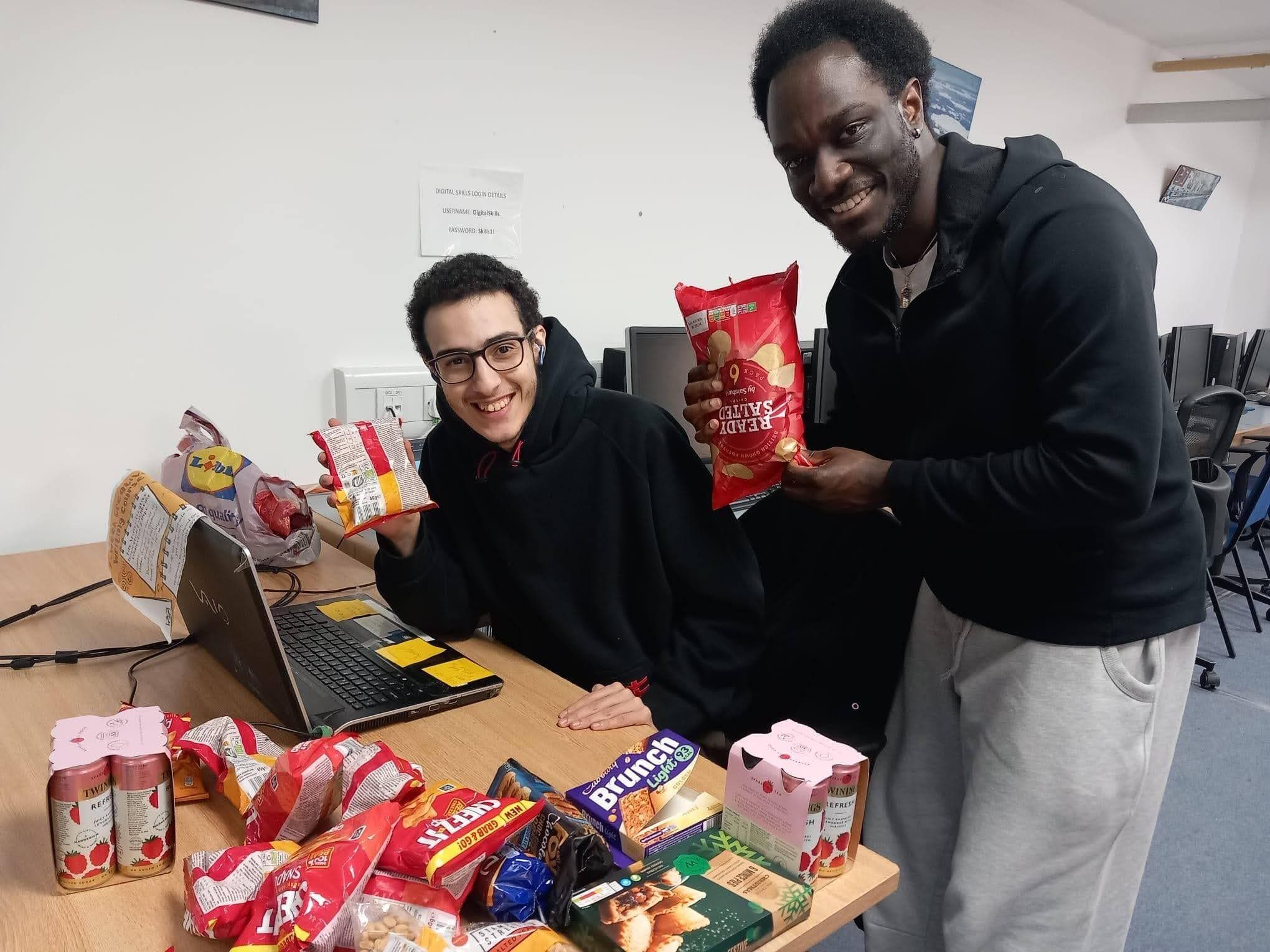
Vijai Patel struggled to land his first tech job despite having a degree. With WEEE Renew , backed by Big Change's Spark Awards, he's building the work…
Blog
Blog by Ben Haber, our Managing Director, for our series 'Philanthropy as a Catalyst'
'The systems are broken' is something we hear all the time. From governments. From charities. From businesses. From philanthropists. So why do we keep funding the status quo?
This isn't about blame. Philanthropy has improved millions of lives. It has funded extraordinary organisations, movements and ideas. But despite decades of investment, too many young people are still growing up without the opportunities, relationships and support they need to thrive.
The answer lies in a deeper look at what our funding is designed to achieve.
Today's economic system has generated enormous prosperity and innovation. But it has also concentrated wealth, opportunity and influence, leaving many communities further behind. Too often, our systems reward extraction over regeneration, competition over collaboration, and short-term performance over long-term wellbeing.
As Donella Meadows observed (in her book Thinking in Systems - A Primer, 2008) systems are perfectly designed for the outcomes they produce. In other words, if we continue to play by the same rules, we shouldn't be surprised when the same patterns persist.
Amahra Spence argues, there isn't a shortage of capital, but there is a mismatch between where capital flows and the future we say we want to build.
These thinkers challenge us to ask a bigger question. Can we really expect fundamentally different futures if we continue to operate under the same assumptions about power, value and success?
Audre Lorde said it best, all the way back in 1979, “For the master’s tools will never dismantle the master’s house.”
This is not an argument against philanthropy or markets. It is an invitation to rethink the purpose of capital. Because if capital exists only to preserve what already works, then today's approach makes perfect sense. But if its purpose is to help create a future where all young people can thrive, then we need to become much better at funding what doesn't yet exist.
This means:
The irony is that we often say we want innovation, while funding certainty. We talk about collaboration while rewarding competition. We ask organisations to create systems change through funding models that leave little room for experimentation. This isn't because funders lack ambition.
It's because philanthropy sits inside the same systems as everyone else. It has inherited many of the same assumptions about risk, evidence and accountability.
Urvi Kelkar offers a different way of thinking. She describes philanthropy less as building permanent structures and more as composting. She argues that healthy ecosystems don't simply preserve everything they have, they continually recycle ideas, redistribute nutrients and create the conditions for new life.
Perhaps philanthropy's role isn't only to sustain what exists. Perhaps it is also to create fertile ground for what comes next.
At Big Change, this is where we choose to work. We back people before certainty exists. We invest in early ideas with the potential to reshape systems. We connect leaders across generations because lasting change rarely comes from one organisation acting alone.
And we learn out loud, because no single organisation has all the answers. This means also asking difficult questions about power.
Structural racism, inequality and exclusion continue to shape opportunities for many young people in the UK. If we want different outcomes, we cannot simply fund different programmes. We have to widen who holds power, whose experience informs decisions and who gets to shape the future.
For us, this isn't about ideology. It's about effectiveness. The best ideas are often found closest to the challenges.
If we want systems that work for all young people, we need to invest differently. Not only in organisations. But in people. In relationships. In trust. In experimentation. Because every system we rely on today began as someone's unproven and untested idea.
The future won't be created by funding more of the present. It will be created by giving new ideas and new leaders a chance.
Reach out to us at info@big-change.org
We'd love to hear from you!